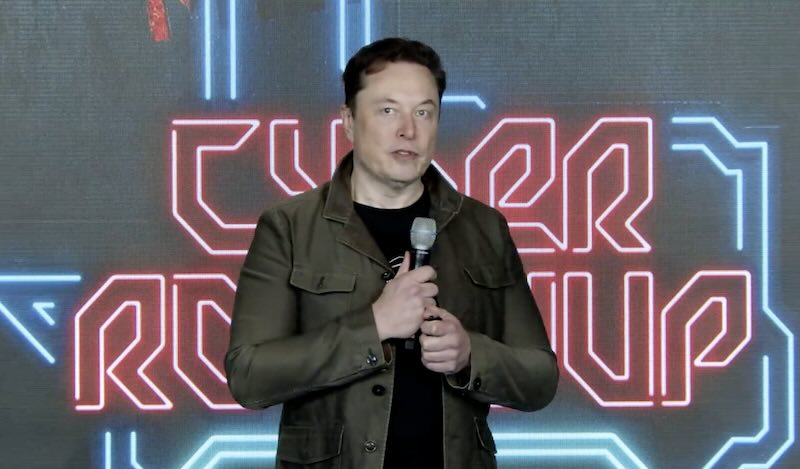
Tesla’s board has approved a staggering $29 billion interim compensation package for CEO Elon Musk, granting him 96 million restricted shares worth approximately $307 per share. Decision comes as the company navigates ongoing legal challenges surrounding Elon’s 2018 CEO Performance Award, creating a bridge solution that maintains executive incentives while addressing regulatory concerns.
Tesla Elon pay package represents a calculated response to Delaware court proceedings that have challenged the validity of previous compensation agreements. Tesla’s Special Committee, operating independently with both Elon and Kimbal Musk recusing themselves, unanimously approved this interim solution to ensure continuity in leadership compensation.
Package isn’t simply a cash grab—it’s structured with specific performance requirements and restrictions that align executive interests with shareholder value. Board’s decision reflects careful consideration of both legal constraints and business necessities.
Compensation structure includes several critical provisions that differentiate it from standard executive packages. Tesla has established a purchase price requirement of $23.34 per share, matching the split-adjusted exercise price from the disputed 2018 award. Additionally, Elon must maintain continuous senior leadership roles throughout a mandatory two-year vesting period.
Tesla Elon pay package also includes stringent holding requirements—a five-year mandatory retention period that prevents immediate stock liquidation except for tax obligations or purchase price payments. Any necessary sales must occur through coordinated, orderly dispositions managed in partnership with Tesla’s treasury operations.
Perhaps most significantly, compensation agreement includes explicit safeguards against dual compensation benefits. Should Delaware courts reinstate the 2018 CEO Performance Award, December 2024, $56B pay package rejected again, this interim package faces automatic forfeiture or partial return, ensuring no overlap in compensation benefits.
Vesting timeline creates interesting tax dynamics for both Elon and Tesla. Since the two-year vesting period delays immediate tax obligations, Elon won’t face the estimated $11 billion tax burden until 2026. Timing allows for strategic financial planning across his various business ventures.
Tesla benefits from this arrangement by avoiding immediate expense recognition while maintaining executive retention incentives. The company expects regulatory approval processes to conclude before vesting completion, streamlining the transition to full ownership rights.
Board’s announcement signals ongoing efforts to develop long-term CEO compensation strategies. Tesla plans to present these proposals at the November 6 annual meeting, providing shareholders direct input on future executive compensation frameworks.
Related Post
NJ Turnpike Kicks Out Tesla Superchargers for Single Provider Deal
SpaceX $350B Valuation Makes Elon Musk First Person Worth $442B
Cathie Wood Doubles Down on Elon Musk’s Vision, Support Bid to Incorporate Company in Texas