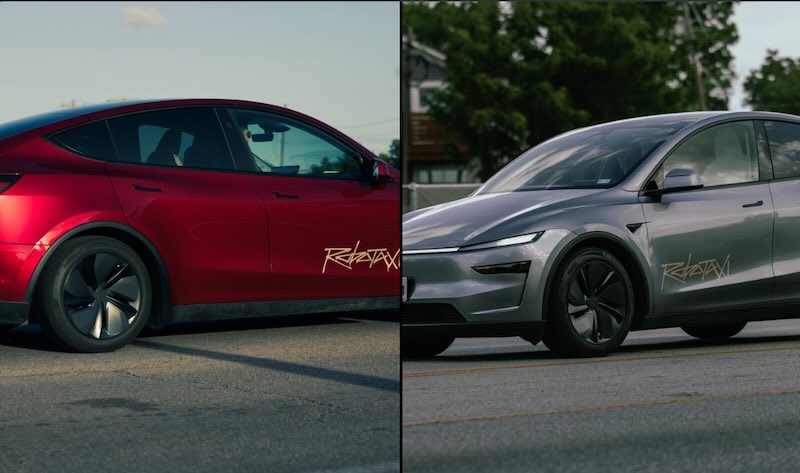
Tesla’s making moves in the Big Apple, and this time it’s not just about selling cars. The electric vehicle giant has quietly started recruiting autonomous vehicle operators in New York City, specifically targeting Queens for its latest Robotaxi testing initiative. This strategic expansion signals Tesla’s serious intent to crack one of America’s most demanding urban markets.
Tesla’s posting competitive hourly rates between $25.25 and $30.60, with premium shifts offering up to $33.66 per hour — a clear indication they’re hunting for top talent to navigate NYC’s notorious traffic patterns.
Tesla’s recruitment drive isn’t happening in a vacuum. The company’s targeting Queens specifically, which presents unique challenges compared to their existing testing grounds in Austin and San Francisco. New York’s dense urban environment, aggressive driving culture, and complex intersection patterns create perfect conditions for stress-testing autonomous systems.
What’s particularly interesting? Tesla hasn’t filed for official NYC testing permits yet, according to the Department of Transportation. This suggests the company’s still in preparation mode, building their operator team before launching formal testing protocols.
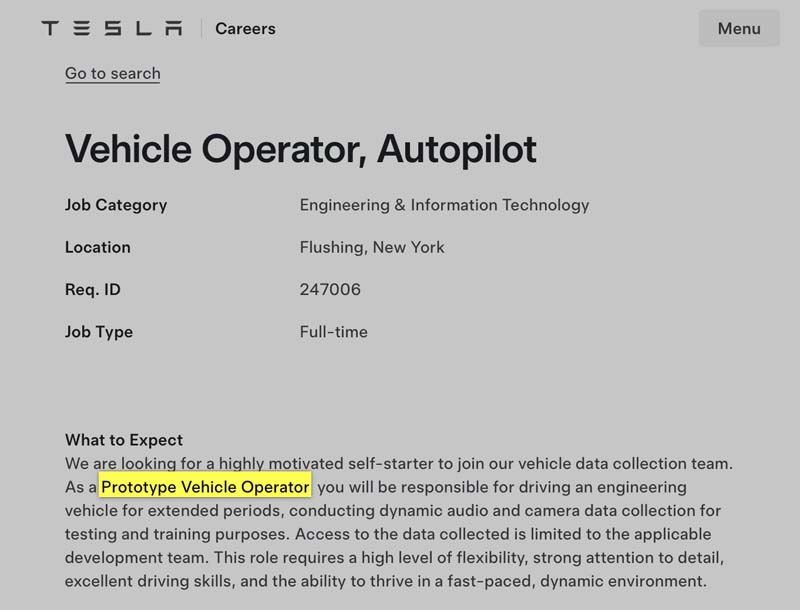
These aren’t just glorified chauffeur positions. Tesla Robotaxi Safety Operators will handle multiple technical responsibilities that extend far beyond steering wheels and brake pedals. Operators must configure recording equipment, adjust software parameters, and analyze both audio and video data streams in real-time.
The job requirements reveal Tesla’s data-hungry approach to autonomous development. Operators need strong English communication skills, autonomous driving familiarity, and hands-on experience with data collection tools — suggesting they’ll be documenting everything from pedestrian behavior to traffic light timing.
Tesla’s compensation structure tells a story. $25.25 base rate jumps to $33.66 for afternoon and overnight shifts — a 33% premium that acknowledges NYC’s round-the-clock complexity. This pay scale significantly exceeds typical rideshare driver earnings and reflects the technical expertise required.
Benefits packages sweeten the deal, though Tesla’s keeping specific details under wraps. Tesla’s clearly positioning these roles as professional positions rather than gig work, which could attract more experienced candidates from adjacent industries.
New York’s Department of Transportation implemented strict autonomous vehicle testing rules last year, calling the city “the most challenging urban environment in the U.S.” — a characterization that’s hard to dispute given Manhattan’s traffic density and Brooklyn’s diverse driving conditions.
Tesla’s current testing operations in Austin feature safety drivers in passenger seats, while San Francisco operators remain behind the wheel with override capabilities. NYC’s regulations will likely require similar safety protocols, especially given the city’s zero-tolerance approach to traffic incidents.
Austin provides Tesla with sprawling suburban testing grounds and relatively predictable traffic patterns. San Francisco offers hills, fog, and tech-savvy pedestrians who understand autonomous vehicles. NYC brings something entirely different: aggressive drivers, complex parking situations, and pedestrians who treat crosswalks as suggestions rather than rules.
This progression from Austin to San Francisco to NYC represents increasing difficulty levels in Tesla’s autonomous testing strategy. Each market teaches different lessons about real-world driving scenarios.
Tesla’s job postings have historically telegraphed the company’s next moves. Last year’s $48-per-hour Optimus robot training positions preceded major humanoid robot announcements. NYC Robotaxi operator roles suggest Tesla’s timeline for urban autonomous deployment is accelerating.
Timing coincides with increased autonomous vehicle activity across California, where public records show Tesla ramping up testing operations. NYC represents the logical next step in this expansion strategy.
Other autonomous vehicle companies are watching Tesla’s NYC moves carefully. Waymo and emerging players recognize New York as a crucial market for proving autonomous technology readiness. Tesla’s operator recruitment suggests they’re preparing for serious competition in America’s largest metropolitan area.
The pay rates also indicate Tesla’s willing to invest significantly in human oversight during this transition period, contradicting narratives about immediate full automation.
Tesla’s betting big that their Robotaxi Safety Operators can navigate NYC’s urban jungle while collecting the data needed for true autonomous operation. Whether they’ll successfully taxi their way to full automation remains the billion-dollar question.
Related Post
Tesla Robotaxi Doubles Austin Coverage: 80 Square Miles of Autonomous Service
Tesla Robotaxi Review: 69 Rides Reveal Surprising Strengths and Critical Gaps
Tesla Integrates Austin Robotaxi Tech into General Production FSD