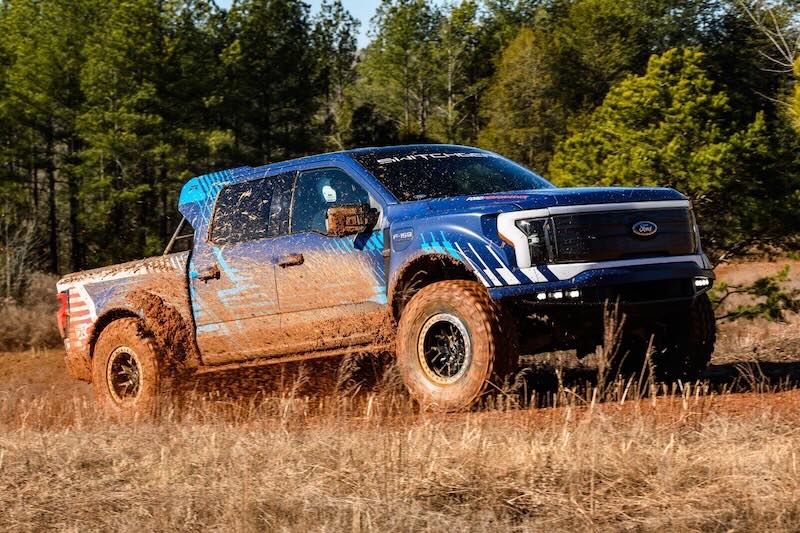
Ford has made a significant strategic shift in its electrification plans, announcing the cancellation of its all-electric F-150 Lightning. Decision comes as the automaker prepares to take a staggering $19.5 billion write-down on its EV investments, one of the largest impairments ever recorded by a major corporation. CEO Jim Farley didn’t mince words about the reasoning behind the move, stating that expensive electric trucks simply weren’t generating the returns the company needed.
F-150 Lightning represented Ford’s ambitious entry into the electric truck market. However, the reality of consumer demand hasn’t matched the company’s initial projections. According to Farley, trucks priced between $50k and $70k weren’t resonating with buyers despite the product’s capabilities. Ford has accumulated $13 billion in losses from its EV business since 2023, forcing leadership to reconsider its approach.
“Instead of plowing billions into the future knowing these large EVs will never make money, we are pivoting,” Farley explained in CNBC interview. Stark assessment reflects growing concerns across the automotive industry about the profitability of electric vehicles in the current market environment.
What’s replacing the F-150 Lightning? Ford isn’t abandoning electrified trucks entirely. The company will introduce what it calls an extended-range electric vehicle (EREV) version instead. EREV configuration includes a gas generator that recharges the battery pack, enabling the motors to operate for over 700 miles on a single tank. Farley emphasized that this solution operates in all-electric mode 90% of the time while providing the range flexibility that truck buyers demand.
The shift extends beyond just the F-150 Lightning. Ford plans to bolster its gas-powered vehicle lineup while expanding hybrid offerings across multiple models. The company is also converting a Kentucky battery plant originally intended for EV production to manufacture cells for grid energy storage, acknowledging that its EV sales growth has slowed considerably.
Farley framed the decision as following customers to where the market actually exists rather than where Ford hoped it would be. Jim Farley noted that the company now has “a lot more certainty in this second inning” of reduced-emissions powertrains. Pivot toward hybrids and EREVs is expected to improve profitability, benefit shareholders, and create American manufacturing jobs, goals that the all-electric F-150 Lightning wasn’t achieving.
Related Post
Ford CEO Jim Farley: Humans Need Driving Skills, Waymo Beats Tesla
2025 Ford Mustang Mach-E: Lower Price, More Features | Full Details & Analysis
Ford is Offering Free Level 2 Home Chargers and Installation to Buyers of EVs