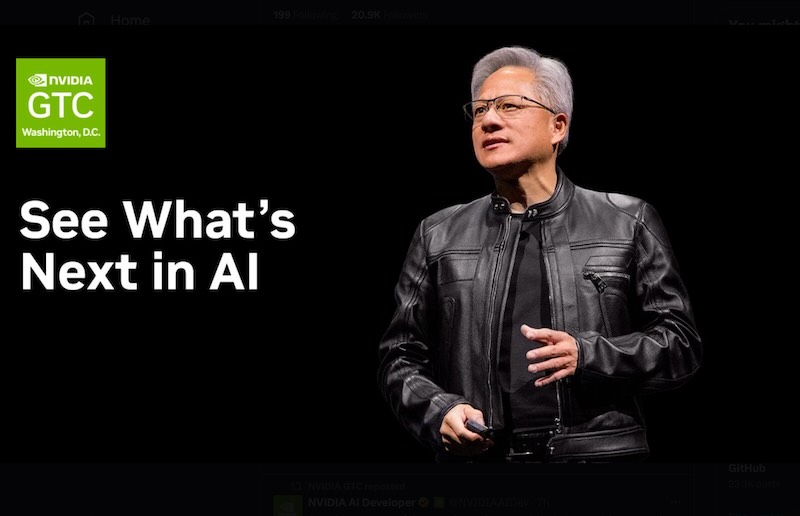
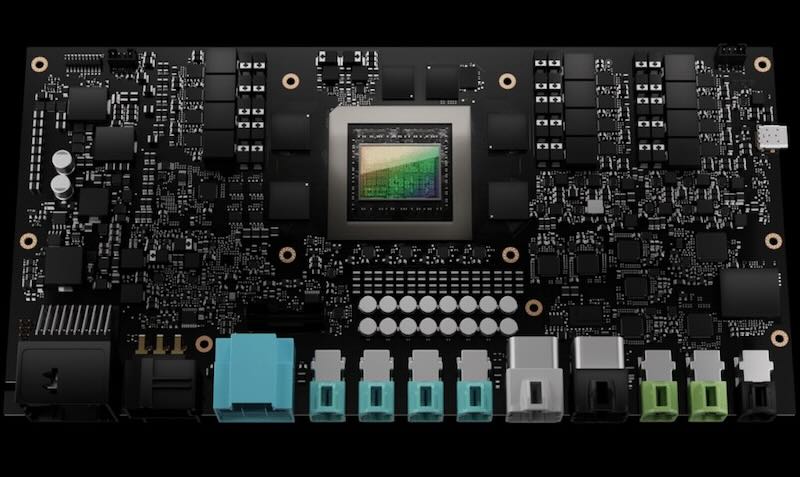
NVIDIA has unveiled Alpamayo-R1, its next-generation driver-assistance model architecture built on the Vision-Language-Action framework. Announcement signals a shift toward production-ready autonomous driving technology—and it’s coming sooner than expected. According to Wu Xinzhou, NVIDIA’s Thor computing platform will deploy this model in select Mercedes-Benz, Lucid, and Stellantis vehicles within the next few years, following commitments made at the NVIDIA GTC conference.
Unlike previous iterations, Alpamayo-R1 directly confronts three persistent problems that have plagued driver-assistance systems. The company isn’t just tweaking parameters—it’s rethinking how vehicles process, reason, and act.
Traditional end-to-end models have struggled with edge cases for years. Imitation learning mimics observed behavior but doesn’t understand why that behavior matters. When a rare situation appears—say, an overturned truck blocking two lanes — systems often freeze or make dangerous decisions because they’ve never seen that exact scenario before.
Second issue affects nearly every VLA-based system on the road today. Drivers checking the reasoning chain on their infotainment screens often notice something odd: the explanation sounds logical, but the car’s actual behavior doesn’t match. That’s because the vision-language model generating explanations and the control model steering the vehicle operate independently. They’re not talking to each other in any meaningful way.
NVIDIA developed the Chain of Causation dataset specifically to solve this disconnect. It’s the first dataset of its kind—each segment labels visual information alongside causal factors and driving decisions. Instead of just identifying objects, NVIDIA Alpamayo-R1 learns to connect observations with outcomes. For instance: “Because a construction vehicle is on the right, the system should decelerate and shift to the left lane.”
Building this dataset required a hybrid approach. NVIDIA combined human annotation with GPT-5 auto-labeling, then validated quality across millions of scenarios. After training with Supervised Fine-Tuning, the model learned to articulate its decision-making process. Final step involved a verifiable reward mechanism—similar to techniques used in OpenAI o1 and DeepSeek-R1—that reinforces consistency between reasoning and real-world actions.
Balancing model size with real-time performance has always been a constraint in autonomous driving. Larger models deliver better results but struggle to process information fast enough for split-second decisions. NVIDIA Alpamayo-R1 addresses this with a redesigned Vision Encoder that reduces token counts by 10–20× while maintaining inference latency at just 99 milliseconds.
Model’s parameters have grown from 0.5B to 7B, improving trajectory prediction accuracy by 11%. That combination—larger scale, lower latency—suggests NVIDIA has moved beyond research demonstrations. The company is clearly preparing for volume production, which aligns with recent reports of increased investment in autonomous driving technology.
What does this mean for drivers? NVIDIA Alpamayo-R1 won’t just see the road—it’ll understand the causation behind every decision it makes.
Related Post
Nvidia Partners with GM on Self-Driving Tech, Unveils Groundbreaking Cosmos System
NVIDIA Bolsters China Autonomous Driving Team, Taps Ex-XPeng Exec Xinzhou Wu to Lead
Nvidia Thor Chip Delay Pushes Chinese EV Makers Toward Self-Developed AI Chips