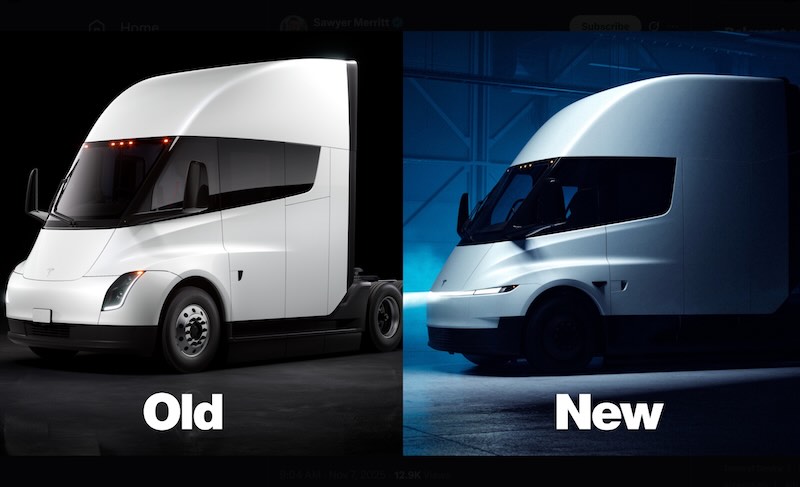
Tesla’s all-electric Semi truck a notable update, though the numbers haven’t budged. The company announced a mid-cycle refresh that keeps the original performance metrics while introducing design changes and efficiency improvements. Yet the underlying powertrain specifications remain static: 800 kilometers of range, 1.7 kilowatt-hours per mile, 800 horsepower, and 1.2 megawatt peak charging capability.
What’s actually changed in the Tesla Semi? most visible modification arrives at the front end. Tesla Semi now sports a continuous light bar that mirrors the Cyber DNA design language, a clear departure from the earlier headlight configuration. Beyond aesthetics, Tesla claims the updated Semi delivers improved efficiency and increased payload capacity. Also integrated new hardware optimizations designed to support autonomous driving functions, though specific details remain scarce.
Industry analysts suspect Tesla has completely redesigned the battery architecture. Original prototype relied on 2170 cylindrical cells, but reports suggest the production version will feature Tesla’s newer 4680 cells. Shift could explain the efficiency gains without altering the official range figures.
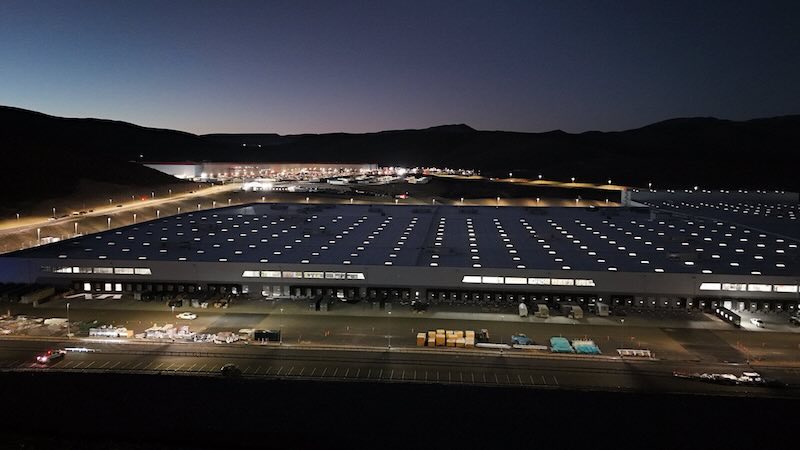
Here’s where things get tangible. Isn’t another concept vehicle, Tesla released images from inside its Semi factory, confirming the truck has moved beyond prototype status. One particular photo raised eyebrows for its almost artificial appearance, yet Tesla insists it’s authentic factory documentation.
Production schedule targets 2026, with Tesla aiming for 50,000 units annually once manufacturing reaches full capacity. That’s an ambitious target for a vehicle that’s been in development since 2017, but the company appears committed to scaling production at its Nevada facility.
Refresh signals Tesla’s intention to compete seriously in the commercial trucking sector. While competitors like Freightliner and Volvo have already deployed electric semis, Tesla Semi’s charging speed and range specifications remain competitive. Whether the company can meet its 2026 deadline—and that 50k unit goal—will determine if this refresh actually drives Tesla Semi toward mainstream adoption.
Related Post
Tesla Reveals Semi Truck Factory Progress and Official Logo
Tesla First SemiCharger Launch: V4 Superchargers & 1.2 MW Power Set for Carson, CA
Tesla Semi Takes Center Stage at IAA Hannover: Electrifying the Future of European Trucking