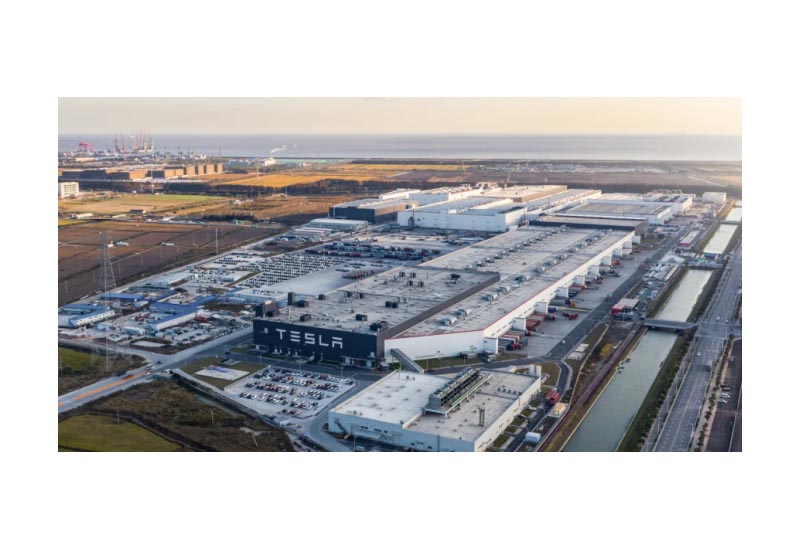
Tesla’s supply chain doesn’t make headlines the way its vehicles do — but it probably should. Sunwoda, the Shenzhen-based battery manufacturer, has officially entered Tesla’s battery supply chain, and the implications stretch well beyond a single procurement deal. This isn’t just a supplier swap. It’s a signal that the global battery industry’s center of gravity has shifted — and Tesla knows it.
For years, Tesla’s cell sourcing strategy leaned on a familiar roster: CATL, BYD, Samsung SDI, and LG Energy Solution, supplemented by its own in-house 4680 program. That program, worth noting, currently supports only Cybertruck production. Now, Sunwoda joins that lineup — and the terms of engagement are notably different.
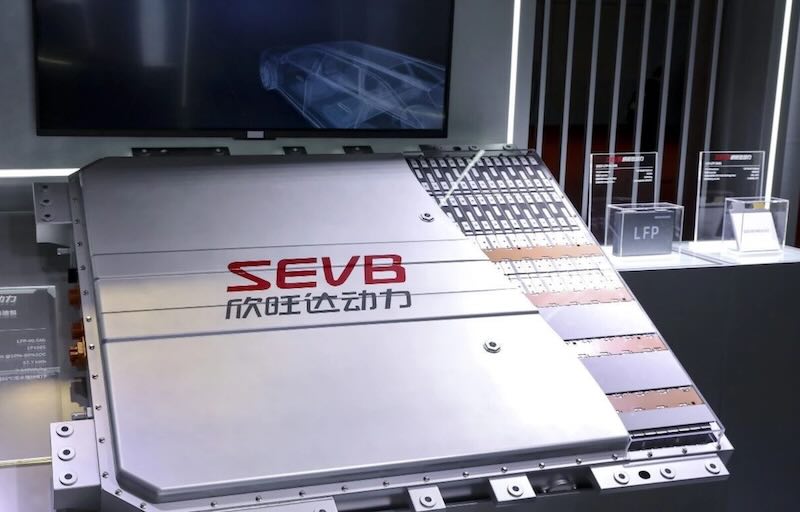
Unlike Tesla’s arrangement with CATL — where modules arrive pre-assembled — Tesla is sourcing raw cells directly from Sunwoda and managing module and pack (PACK) integration internally. That distinction matters. It marks Tesla’s first meaningful step into hands-on integration of prismatic cells, giving the company tighter control over performance tuning, cost, and quality assurance. It’s a deeper operational commitment, not a passive vendor relationship.
Strategically, Tesla has been searching for a credible second Chinese supplier beyond CATL. BYD briefly filled that role for European operations, but the partnership never scaled. Sunwoda is now positioned as that second-source anchor — a critical lever for both risk diversification and cost reduction.
Sunwoda didn’t win this on price alone. Its third-generation LFP cells support 3C ultra-fast charging, directly aligned with where the industry is heading. Fast charging is no longer a premium differentiator — it’s a baseline expectation, and Sunwoda’s roadmap reflects that reality.
There’s also the credibility angle — and this one’s worth pausing on. Entering Tesla’s battery supply chain carries a brand halo that rivals a major marketing campaign. In many respects, the reputational lift outweighs the actual order volume. Chinese EV manufacturers already partnering with Sunwoda, including Li Auto, for whom Sunwoda provides contract-manufactured battery solutions, get an indirect validation boost as well. Their supply chain choices, already made, now carry stronger third-party endorsement.
It’d be easy to frame this as Tesla simply adding a vendor. That framing undersells what’s actually happening. Chinese battery manufacturers have moved past the “cost-leader” label. They’re now central to the technological and ecosystem architecture of global EV production — not peripheral contributors cutting costs at the margins.
Sunwoda’s flexible collaboration model, its fast-charging cell technology, and its willingness to work within Tesla’s integration-first framework all point to a manufacturer operating at the industry’s frontier.
The bottom line? When it comes to Tesla’s battery supply chain, Sunwoda isn’t just powering cars, it’s powering a new chapter in how the world sources energy storage.
Related Post
Tesla Nevada LFP Battery Factory Nears Completion, Cuts China Dependence
Tesla Dry Cathode 4680 Cells Cybertruck: Revolutionary EV Technology
Tesla 2025.8.3 Update: New Battery Health Test Feature Gives Owners Unprecedented Transparency