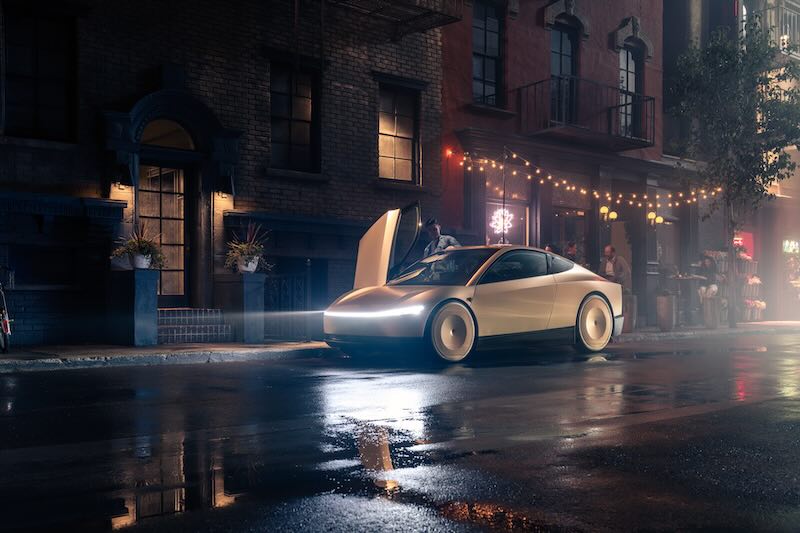
Tesla’s Robotaxi ambitions are shifting into high gear. During the company’s Q3 2025 earnings call, CEO Elon Musk announced plans to remove human safety operators from Tesla Robotaxi in Austin, Texas by the end of the year.
“We expect that by the end of this year, most areas of Austin will no longer need human safety drivers,” Elon told investors. “Within the next few months, we plan to begin fully driverless operations in parts of the city. Of course, we’re taking a very cautious approach as we move forward.”
This milestone comes as Tesla’s Robotaxi fleets have accumulated significant real-world testing data. The company reports crossing 250k Robotaxi ride-share miles in Austin, while its Bay Area operations have surpassed one million miles.
Currently, Tesla Robotaxi in both Austin and San Francisco still rely on human oversight. In Austin, safety operators occupy the passenger seat, while San Francisco operators sit behind the wheel. Vehicles also feature an emergency “kill switch” that can immediately shut down autonomous systems if necessary.
Elon emphasized that these precautions aren’t due to technological limitations but represent a strategic safety choice. “Obviously, even a single accident would make global headlines,” he noted. “So we believe a cautious rollout is the wiser path.”
Tesla Robotaxi won’t be limited to current markets for long. Elon indicated plans to launch operations in 8-10 additional metropolitan areas by year’s end, specifically mentioning Nevada, Florida, and Arizona as target markets.
Looking further ahead, Elon confirmed that CyberCab production — the purpose-built Robotaxi without steering wheel or pedals — will begin in Q2 2026. Aligns with Tesla’s broader manufacturing roadmap that includes ramping up production of the Semi electric truck, Megapack 3 energy storage system, and Optimus humanoid robot next year.
When entering new markets, Tesla will maintain its cautious stance. “Even if regulators don’t require it, we’ll voluntarily keep [safety operators] onboard as a precaution,” Elon said.
Earlier this year, Elon projected Tesla Robotaxi would serve half the U.S. population by late 2024, with Tesla owners potentially gaining access to unsupervised full self-driving through software updates by late 2025.
As these Robotaxi prepare to drive solo in Austin, Tesla’s autonomous revolution seems to be exiting the slow lane.
Related Post
Tesla Cybercab: 300-Mile Range from Sub-50kWh Battery Promises Industry-Leading Efficiency
Tesla True Unboxed Process Patent Could Transform EV Manufacturing for CyberCab Production