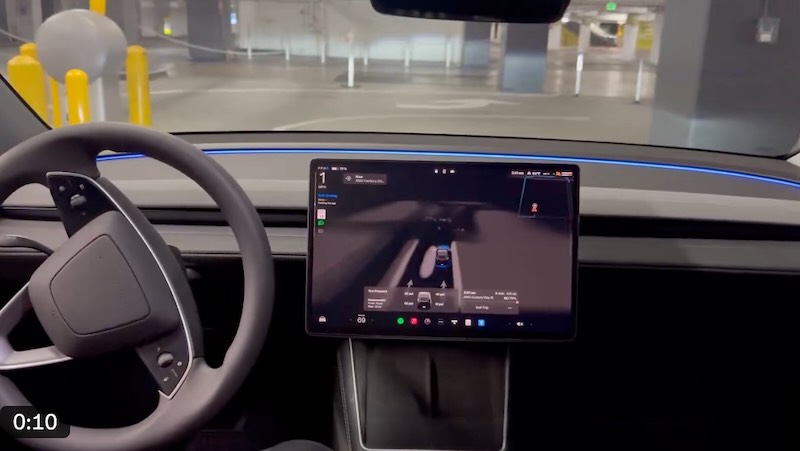
Tesla’s latest earnings disclosure has sparked fresh questions about the real demand for its FSD package. At the Q3 2025 earnings call, CFO Vaibhav Taneja disclosed a 12% global take rate for FSD—a figure that conceals significant regional disparities and regulatory roadblocks. Number requires context, particularly given that FSD availability remains severely restricted outside North America.
Tesla’s cumulative vehicle sales have reached approximately 7.9 million units worldwide. With a 12% take rate, that translates to roughly 950k vehicles equipped with the FSD package. However, seemingly straightforward calculation masks a more complex reality about where Tesla’s FSD adoption actually occurs.
Back in Q4 2022, Tesla reported around 400k FSD users in North America. Fast-forward to Q3 2025, and the math reveals something interesting. 550k additional FSD-equipped vehicles sold since then have predominantly come from North American buyers—hardly surprising given that overseas markets haven’t seen full FSD deployment during this period.
Between 2023 and Q3 2025, Tesla sold approximately 1.8 million vehicles in North America. When you calculate FSD adoption against this regional sales figure, a different picture emerges: roughly 30% of North American Tesla buyers are opting for the upgrade. One in three customers willing to pay for FSD – assistance capabilities —a considerably more robust adoption rate than the global figure suggests.
Regional concentration highlights how Tesla’s FSD success remains geographically limited. While North American customers have embraced the technology at respectable rates, the company’s inability to expand into other major markets continues to constrain growth potential.
Taneja acknowledged that Tesla continues working with regulators across China, Europe, the Middle East, and Africa to secure FSD approval. Progress has been frustratingly slow. Regulatory collaboration process involves navigating different safety standards, data privacy requirements, and approval frameworks—all of which vary considerably between jurisdictions.
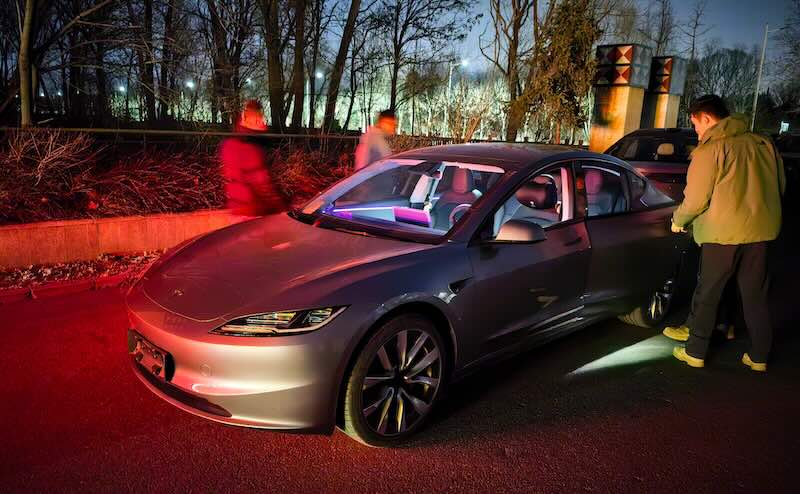
China represents perhaps the most tantalizing opportunity for Tesla’s FSD ambitions. China’s infrastructure readiness and consumer enthusiasm for driver-assistance technologies position it as potentially the world’s most receptive market. Chinese consumers have demonstrated strong appetite for advanced vehicle features, and the domestic ecosystem supporting autonomous driving continues maturing rapidly.
Tesla faces two critical challenges before it can capitalize on the Chinese market. First, implementing a subscription-based payment model that aligns with local consumer preferences and payment infrastructure. Second, and arguably more important — achieving genuine product and service localization that addresses Chinese driving conditions, traffic patterns, and regulatory expectations.
Without solving these issues, Tesla risks watching domestic competitors gain ground in autonomous driving adoption. Chinese automakers have already begun deploying their own driver-assistance systems, potentially establishing customer loyalty before Tesla’s FSD becomes available.
For now, Tesla’s FSD story remains largely a North American narrative—one that won’t reach full self-determination until global expansion finally shifts into drive.
Related Post
Tesla’s FSD Debuts in China: Early Users Call Autonomous Driving “Silk-Smooth”
Tesla FSD V14.1.2 Introduces Mad Max Mode: Higher Speeds, Aggressive Lane Changes