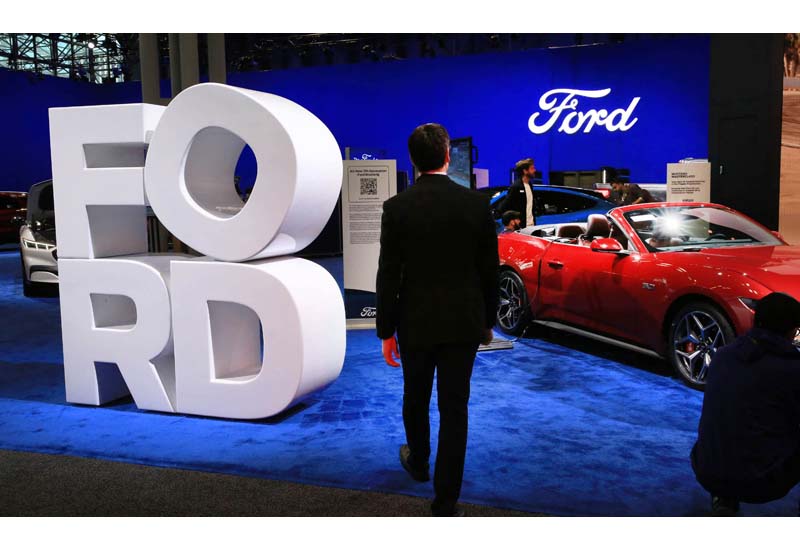
Ford dropped details about its strategy to democratize advanced driver assistance technology, and honestly, it’s a significant departure from industry norms. Plans to launch eyes-off driving technology on a $30k all-electric vehicle in 2028, a price point that’s worlds apart from the luxury segment where this tech typically lives. By developing sensors and software in-house, Ford claims it’s cutting costs by roughly 30% compared to purchasing from external suppliers.
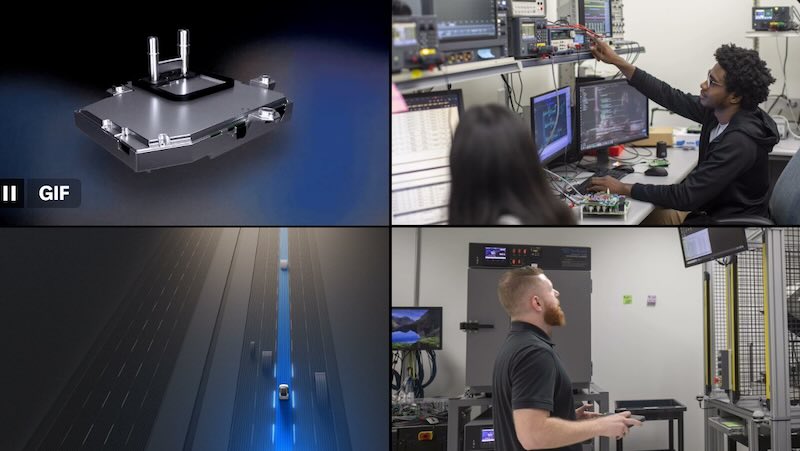
Ford isn’t just making promises about affordability. Engineering teams have spent over seven years building internal electronics development capabilities, which have already deployed into 35 million modules currently on the road. Foundation enables the company to bring L3 autonomous technology to vehicles that won’t require a six-figure investment.
First vehicle to showcase this eyes-off driving technology will emerge from Ford’s Universal EV platform, a flexible architecture designed to support multiple vehicle types. Before the 2028 launch, though, Ford plans to introduce a roughly $30k midsize pickup truck in 2027 featuring the platform’s initial iteration.
Ford’s approach centers on ownership. By controlling both hardware and software development, the company has engineered what it calls a “vehicle brain”—a unified module that consolidates infotainment, advanced driver assistance systems, audio, and networking functions. Iintegration has reduced the module’s physical size by nearly 50% while boosting performance metrics.
“The actual rollout schedule will be based on a lot of work we have to do on which customers need it in their applications, when, and which products are most ready for it now,” Ford stated. The company plans to prioritize deployment based on customer impact rather than following a rigid timeline.
CEO Jim Farley framed the initiative as a return to Ford’s founding principles. “Too often the best technology is a luxury few can afford,” Farley posted on X, drawing parallels to the Model T’s accessibility revolution. While competitors reserve cutting-edge features for premium lineups, Ford’s positioning this technology for mass-market adoption.
The strategy extends beyond autonomous driving. Ford also announced an AI assistant integrated into Ford and Lincoln apps, allowing current vehicle owners to access advanced features without purchasing new vehicles. It’s a practical bridge between today’s fleet and tomorrow’s capabilities.
What remains unclear is how regulators will respond to widespread Level 3 deployment, particularly at lower price points where safety scrutiny tends to intensify. Ford hasn’t detailed which specific markets will receive approval first or how the rollout will navigate varying international standards.
For an industry that’s often priced advanced technology out of reach, Ford’s betting that bringing eyes-off driving technology to a $30k EV won’t just turn heads—it’ll open them.
Related Post
Ford Cancels All-Electric F-150 Lightning, Pivots to Extended-Range EVs
Ford CEO Jim Farley: Humans Need Driving Skills, Waymo Beats Tesla
2025 Ford Mustang Mach-E: Lower Price, More Features | Full Details & Analysis