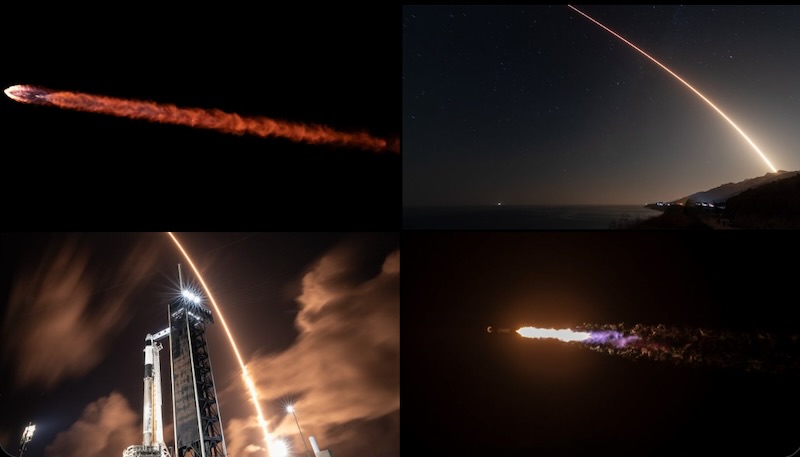
SpaceX has confirmed plans to deploy its second-generation cellular Starlink system in 2027, according to a new FCC filing. Upgrade promises to transform direct-to-device connectivity with capacity increases exceeding 100x current capabilities, pushing the technology closer to seamless 5G-like performance for mobile devices.
The company disclosed that its first-generation service now provides coverage to over 400 million people, with more than 6M customers accessing Starlink each month. However, those figures represent distinct metrics, coverage refers to geographic availability rather than active usage. 6M customer count primarily reflects subscribers using standard Starlink, which requires dish terminals for fixed locations like homes or vehicles.
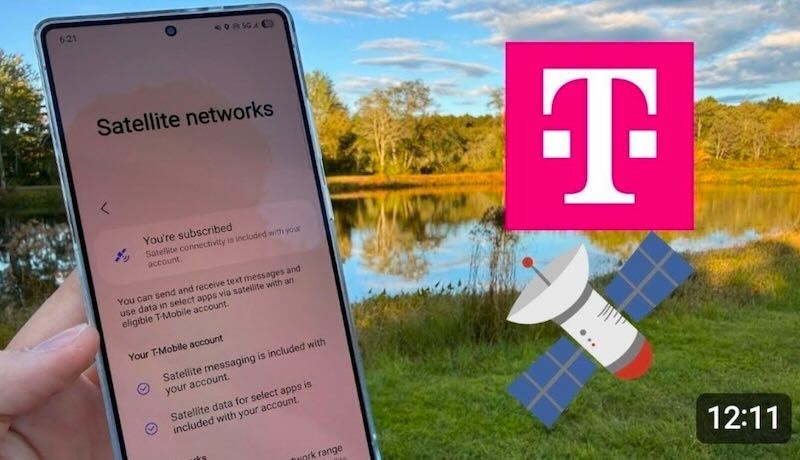
SpaceX’s existing cellular Starlink technology, available through partnerships like T-Mobile in the US and Rogers in Canada, already delivers data connectivity in cellular dead zones. Users can make video calls, send messages, and access apps, though bandwidth remains limited compared to traditional cellular networks.
2027 timeline aligns with SpaceX’s $17 billion agreement to acquire radio spectrum from EchoStar 50 MHz of exclusive S-band spectrum licenses, announced Sep 2025. That deal isn’t scheduled to close until November 30, 2027, allowing SpaceX to cover approximately $2 billion in cash interest payments on EchoStar’s debt obligations. The company retains the option to close earlier, though doing so carries higher costs.
SpaceX’s VP for satellite policy and executives stated in the FCC filing that the company “has also invested in spectrum that will enable it to launch a greatly enhanced second-generation direct-to-device system in 2027.” Upgrade will enable “an overall capacity increase of more than 100x that of the first-generation constellation and more than 20x the throughput capability.”
Two significant hurdles stand between SpaceX and the second-generation cellular Starlink launch. First, phone manufacturers need time to integrate chips capable of receiving signals from the EchoStar spectrum, which includes the 1.9GHz and 2GHz bands. SpaceX CEO Elon referenced this “two-year timeframe” last fall, acknowledging the device ecosystem requires substantial preparation.
Second, SpaceX must deploy next-generation satellites designed to harness the additional radio spectrum. This involves operating a proposed 15,000-satellite constellation still awaiting FCC approval—a regulatory process that could impact deployment schedules.
The company is also pushing for spectrum allocation in the 3.98 to 4.2GHz range, known as “upper C-bands.” SpaceX urged the FCC to reserve portions of this spectrum for satellite services, arguing that regulators can “no longer afford to treat satellite service alongside terrestrial networks as an afterthought.”
With competition intensifying from AST SpaceMobile and Apple partner Globalstar, SpaceX appears determined to make second-generation cellular Starlink the star link between phones and satellites worldwide.
Related Post
FCC Greenlights Higher-Power Transmissions for Starlink Direct-to-Cell Service
iPhone Users Can Now Access Apple Apps via T-Mobile Cellular Starlink Satellite Service
Elon Musk Officially Confirmed SpaceX 2026 IPO to Fund Orbital Data Centers