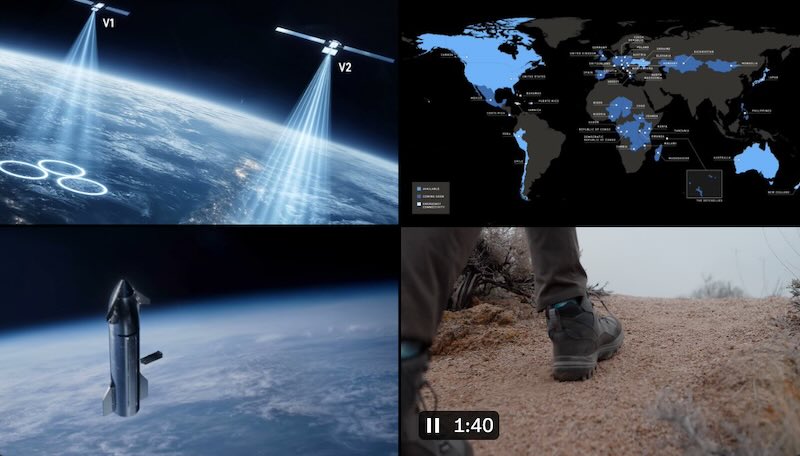
The satellite-to-phone market is heating up fast, and the biggest names in U.S. wireless aren’t standing on the sidelines. AT&T, T-Mobile, and Verizon — competitors that have spent decades fighting over every subscriber — are now forming a joint venture (JV) to shape how satellite connectivity reaches consumers in cellular dead zones. It’s an unusual move, and the timing isn’t subtle.
The JV aims to pool spectrum resources across all three carriers, enabling satellite-based services to deliver data in rural and remote areas where traditional cell towers can’t reach. A shared spectrum arrangement like this could meaningfully accelerate access for underserved communities, while the partners say it will “enhance convenience for their customers, enable competition, and foster innovation and growth within the industry.” Whether it delivers on that promise depends heavily on execution — and on what SpaceX does next.
Why now? T-Mobile already has skin in the satellite game. It’s been partnering with SpaceX to offer Starlink Mobile since last year (T-Satellite service). AT&T and Verizon, meanwhile, have both been backing AST SpaceMobile, a rival satellite provider expected to launch services by year’s end. So why are all three now pooling resources in a separate venture?
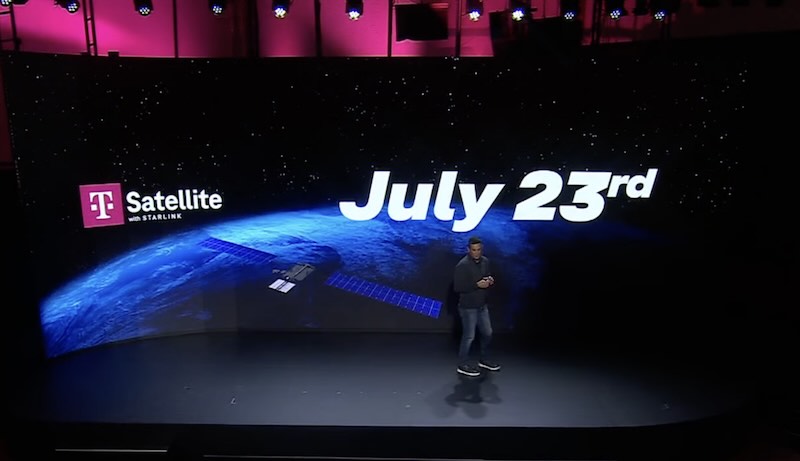
T-Mobile CEO Srini Gopalan pointed to the emergence of “multiple space-based operators,” suggesting the JV isn’t about choosing sides — it’s about building capacity across the board. “This partnership will also make it easier for satellite operators to deliver a broader range of direct-to-device experiences,” he said. Verizon CEO Dan Schulman framed it in terms of consumer benefit: “This partnership gives customers more options, continues to strengthen America’s infrastructure and increases competition for satellite providers.”
The announcement doesn’t name a specific satellite vendor, which is notable on its own. Industry analyst Tim Farrar read between the lines, suggesting on X that the JV is “clearly designed to present a united front in any negotiation” with SpaceX’s Starlink Mobile, which is planning significant upgrades for the coming year.
SpaceX didn’t exactly welcome the news quietly. President and COO Gwynne Shotwell posted a characteristically blunt response on X: “Weeeelllll, I guess Starlink Mobile is doing something right! It’s David and Goliath (X3) all over again — I’m bettin’ on David :)”
SpaceX VP for Satellite Policy David Goldman raised a more substantive concern: antitrust scrutiny. “The bigger question is whether the DOJ even allows it,” he wrote. “Three high-margin competitors moving in parallel just as a new rival prepares to enter is the kind of pattern that raises real collusion concerns.”
That’s not a trivial point. Regulators have shown increasing willingness to challenge carrier arrangements that could limit competitive entry. JV’s funding structure and branding remain undisclosed, which makes it harder to evaluate the scope of the arrangement — and harder to assess its regulatory exposure.
Currently, Starlink Mobile D2C delivers speeds of roughly 3-4Mbps in dead zones — adequate for messaging and basic data, not much more. Bigger play is what’s coming. SpaceX struck a deal to acquire radio spectrum from EchoStardeal to acquire radio spectrum from EchoStar (Boost Mobile’s parent), setting up Starlink Mobile gen 2 for a 5G-capable upgrade that could push download speeds to 150Mbps per user. That’s a significant jump, and it’s part of why carriers aren’t waiting around.
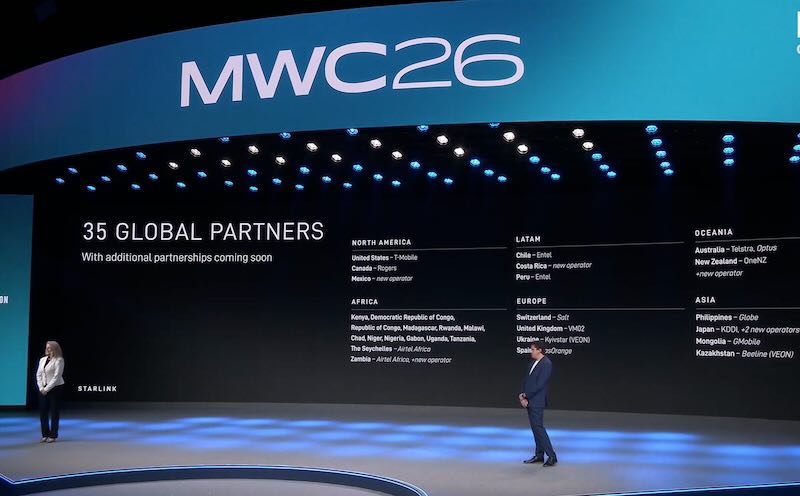
SpaceX frames Starlink Mobile as “complementary to terrestrial networks,” but the EchoStar spectrum acquisition has put traditional carriers on alert. Once those upgraded satellites come online, the licensing terms governing how carriers integrate Starlink Mobile could shift in ways that aren’t yet clear.
For consumers, this JV could mean better coverage options sooner. For the industry, it means the satellite-to-phone race is just getting started — and three carriers teaming up to stay connected is, fittingly, the direct-to-device story of the year.
Related Post
Amazon Acquires Globalstar for $11.6B to Challenge SpaceX Starlink Mobile
T-Mobile and Starlink Launch Business Internet With 5G and Satellite Backup
iPhone Users Can Now Access Apple Apps via T-Mobile Cellular Starlink Satellite Service