
Amazon made one of its boldest infrastructure moves yet. The company has officially agreed to acquire Globalstar — the satellite connectivity provider behind Apple’s iPhone emergency features — for approximately $11.6 billion, or $90 per share. It’s a steep price, but Amazon’s ambitions here extend well beyond simply absorbing an existing satellite network.
Deal positions Amazon Leo, the company’s low Earth orbit satellite venture, to compete directly with SpaceX’s rapidly growing Starlink Mobile service in the satellite direct-to-device (D2D) market. For Amazon, this isn’t just about adding satellites to its fleet. It’s about acquiring spectrum licenses, operational expertise, and an existing commercial relationship with one of the world’s most valuable technology companies.
What Amazon actually gets from this deal, Globalstar brings more than a satellite constellation to the table. Its mobile satellite service spectrum licenses carry global authorizations, a regulatory asset that can take years and enormous capital to secure independently. That spectrum, combined with Globalstar’s existing infrastructure, gives Amazon Leo an immediate foothold in a market where it previously had no D2D presence.
Acquisition also transfers Globalstar’s relationship with Apple, which has relied on the network since the iPhone 14 to power Emergency SOS, Messages, Find My, and Roadside Assistance via satellite. Amazon and Apple have separately formalized that arrangement, signing an agreement to ensure those features continue operating on current and future iPhone and Apple Watch models. Apple’s SVP of Marketing confirmed the company looks forward to continuing that collaboration under Amazon Leo — a clear signal that iPhone satellite services won’t be disrupted mid-transition.
Additionally, Globalstar was already preparing a next-gen C-3 constellation of 48 satellites, manufactured by MDA Space. Amazon has indicated it intends to continue that program as planned.
Amazon’s vision doesn’t stop at maintaining what Globalstar already built. The company is planning to launch its own next-generation D2D satellite system starting in 2028, promising more advanced voice, data, and messaging capabilities delivered directly to standard mobile phones and cellular devices — no dish antenna required.
That system is designed to offer substantially higher spectrum efficiency than legacy direct-to-cell architectures, which should translate into faster speeds and better real-world performance. Eventually, Amazon intends to integrate this new D2D constellation with its first and second-generation Leo satellites, building a unified network with enough capacity to support hundreds of millions of endpoints globally.
Transaction is expected to close in 2027, at which point Amazon will assume operation of Globalstar’s existing fleet before transitioning to its own infrastructure.
Why $11.6 billion? Because the alternative — building a D2D network from scratch — would likely cost more and take longer, all while SpaceX extends its lead.
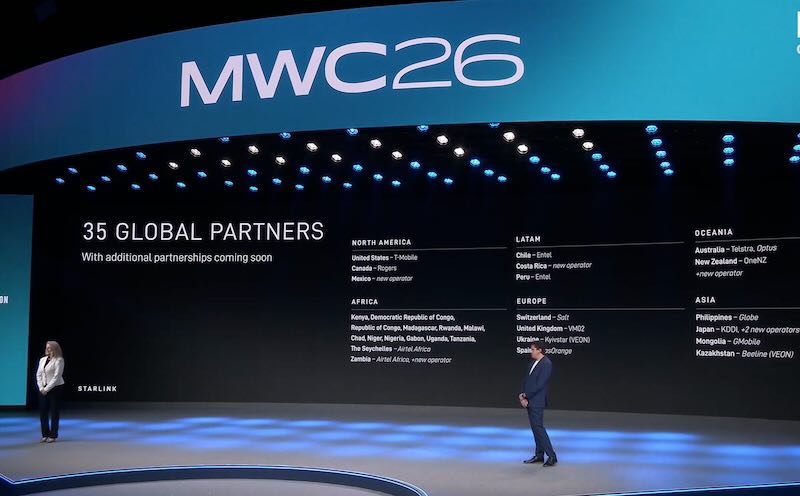
Starlink Mobile is already live through T-Mobile and is adding thousands of new subscribers daily. SpaceX is also preparing a significant upgrade leveraging EchoStar spectrum it acquired for nearly $20 billion, targeting 5G download speeds of up to 150Mbps. That’s a formidable technical roadmap, and Amazon was facing the prospect of arriving late to a market that rewards first-mover scale.
There had been industry speculation that SpaceX itself might acquire Globalstar, which would’ve been a consolidating blow to any would-be competitor. Instead, Amazon moved decisively — paying a premium to ensure that scenario didn’t materialize and simultaneously securing a platform it can scale.
Mobile network operators Amazon plans to partner with will now have a credible alternative to Starlink Mobile for extending voice, text, and data services into cellular dead zones. Whether that’s enough to close the gap remains an open question, but Amazon’s not exactly known for entering markets it doesn’t intend to win.
When the satellite dust settles, this acquisition may well prove to be Amazon’s most grounded move yet.
Related Post
Amazon Leo Satellite Internet Takes On Starlink With Three New Terminals, Launch Details
Elon Musk Abandons Mars for Moon in Major SpaceX Strategy Shift, Bezos Posted an Image of a Tortoise
SpaceX Reportedly Building Starlink Phone for Satellite Connectivity