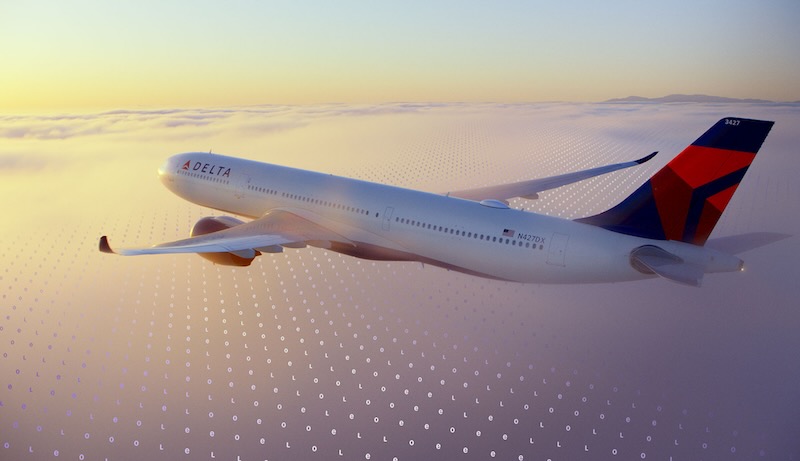
Delta Airlines has passed on SpaceX’s Starlink service for its in-flight connectivity needs, opting instead for Amazon’s Project Kuiper despite a multi-year wait and a significant technology gap. Decision centers on Delta’s insistence that passengers access WiFi through the airline’s branded Delta Sync portal rather than Starlink’s seamless, no-login approach.
SpaceX CEO Elon Musk clarified the reasoning behind the failed partnership in latest comments, revealing that Delta Airlines rejected Starlink because the satellite internet provider refuses to implement customer login portals. “SpaceX requires that there be no annoying portal to use Starlink,” Elon explained. “Starlink WiFi must just work effortlessly every time, as though you were at home.”
According to Elon, Delta Airlines wanted passengers to authenticate through its Delta Sync portal before accessing in-flight internet. Requirement conflicts with SpaceX’s core philosophy of frictionless connectivity. Elon didn’t mince words about the airline’s approach, stating that Delta Airlines “wanted to make it painful, difficult and expensive for their customers.”
The satellite constellation numbers tell a stark story about the technology gap. SpaceX currently operates 10,400 Starlink satellites in orbit, while Amazon’s Project Kuiper has just 300 deployed. This disparity translates directly into service availability — Starlink is operational now, whereas Project Kuiper’s airline WiFi service remains years away from commercial deployment.
Delta Airlines now faces a significant timing problem. Multiple competing carriers have already deployed or are actively installing Starlink systems on their aircraft, offering passengers high-speed connectivity without login requirements. Meanwhile, Delta Airlines customers will continue using legacy WiFi systems for at least another two years.
SpaceX deliberately structured its airline partnerships to prioritize user experience over revenue. Elon confirmed that the company “deliberately accepted lower revenue deals with airlines in exchange for making Starlink super easy to use and available to all passengers.” This approach has won contracts with numerous carriers who’ve chosen performance over branded portal control.
For Delta Airlines, the decision means falling behind competitors in offering premium connectivity — perhaps proving that sometimes it doesn’t pay to force passengers through another portal.
Related Post
Starlink Multi-Gigabit In-Flight Wi-Fi Is Here — And It’s Redefining Cabin Connectivity
Amazon Leo Aviation Antenna Takes Aim at Starlink In-Flight Wi-Fi Dominance
SpaceX Slams American Airlines Over Amazon Leo Talks, Starlink vs Leo Satellite Internet Battle