The satellite internet race just got more contentious. SpaceX executives aren’t holding back their criticism after reports surfaced that American Airlines has been exploring Amazon’s Project Kuiper—marketed as Leo—as a potential in-flight Wi-Fi solution. Discussions represent a direct challenge to Starlink’s growing dominance in the aviation connectivity market, and Elon Musk’s team is pushing back hard.
American Airlines currently relies on Viasat and Intelsat to provide in-flight Wi-Fi across most of its fleet. However, reports from Bloomberg indicate the carrier has entered discussions with Amazon regarding Leo connectivity services. Comes as airlines increasingly prioritize premium passenger experiences and seek competitive advantages in an industry where reliable internet access has become a key differentiator.
Airline industry represents a lucrative market for satellite internet providers. Airlines are desperate to offer passengers seamless connectivity that matches ground-based broadband speeds, something traditional satellite providers have struggled to deliver consistently.
News prompted swift responses from SpaceX leadership. Michael Nicolls, VP of Starlink Engineering, didn’t mince words when he commented on the situation. “Only fly on airlines with good connectivity… and only one source of good connectivity at the moment,” Michael stated, clear his view that Starlink stands alone in delivering quality aviation internet.
Elon escalated the rhetoric further, warning that “American Airlines will lose a lot of customers if their connectivity solution fails.” Comments underscore how seriously SpaceX takes threats to its aviation market position.
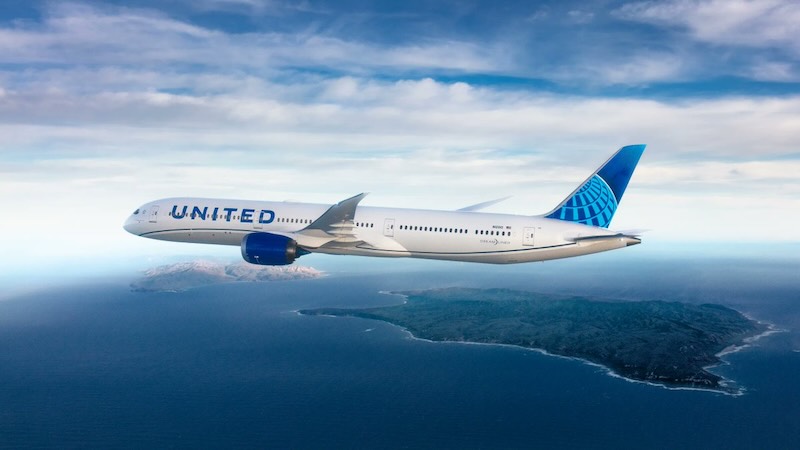
Starlink has secured partnerships with several major carriers, including United Airlines and Alaska Airlines. Early performance data shows Starlink-equipped flights deliver speeds that significantly exceed competing providers. Track record gives SpaceX considerable leverage when positioning against emerging competitors like Amazon’s Leo.
While Amazon has generated buzz around Leo, the service faces substantial technical and logistical challenges. Constellation currently operates approximately 150 satellites, far short of what’s required for comprehensive coverage. Compare that to Starlink’s massive network of 9,348 operational satellites as of December 15, according to tracking data from astronomer Jonathan McDowell.
Amazon has secured some aviation wins, including a 2027 deal with JetBlue for in-flight Wi-Fi. Last month, the company launched a preview program promising gigabit speeds, a benchmark that SpaceX has also been pursuing aggressively. Amazon has updated its Leo marketing materials to target aviation, maritime, transportation, and consumer sectors.

However, launching enough satellites to compete effectively with Starlink remains Amazon’s primary obstacle. The company needs to dramatically accelerate its deployment schedule to deliver on its connectivity promises and convince airlines that Leo represents a viable alternative.
Brewing rivalry between SpaceX and Amazon highlights how critical satellite internet has become for airlines competing on passenger experience. Premium travelers expect fast, reliable connectivity, carriers risk losing business to competitors offering superior in-flight Wi-Fi powered by more robust satellite networks.
For now, Starlink maintains a commanding lead, but whether American Airlines ultimately chooses Amazon Leo or sticks with proven providers remains an open question that could reshape the aviation connectivity landscape.
Related Post
United Airlines Fixes Starlink Wi-Fi After Radio Interference
Elon Musk Officially Confirmed SpaceX 2026 IPO to Fund Orbital Data Centers
Air France Partners with Starlink: Free High-Speed Wi-Fi Coming Soon