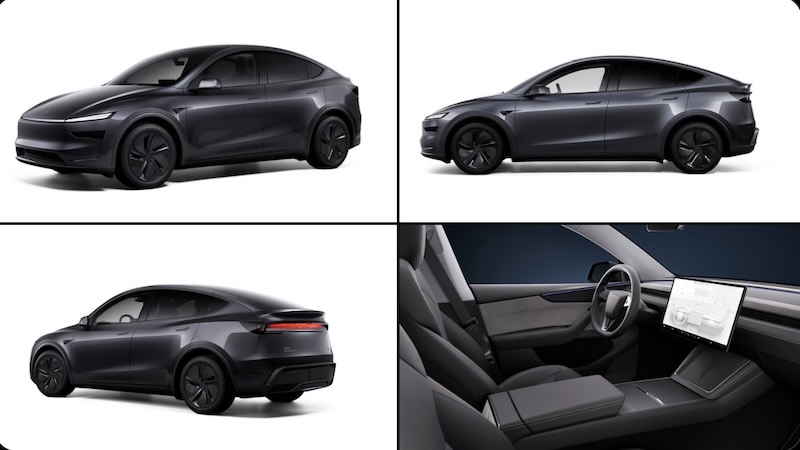
Tesla is developing a new approach to its vehicle door handles, according to design chief Franz von Holzhausen. In a interview on Bloomberg’s Hot Pursuit podcast, Franz revealed that the company will merge the electronic and manual door-release mechanisms, which are currently located separately.
“The idea of combining the electronic one and the manual one together into one button, I think, makes a lot of sense. That’s something that we’re working on,” said von Holzhausen, who has led Tesla’s design team for 17 years.
Redesign aims to create a more intuitive system for vehicle occupants, particularly in emergency situations. Tesla is currently testing details of this potential change in China and is “ready to make necessary changes,” according to Franz, who promised “a really good solution.”
Tesla’s current door handle design has faced criticism for potentially complicating rescue efforts after accidents. While Tesla vehicles perform well in government crash tests, these evaluations typically focus on impact survivability rather than post-crash egress.
The current setup includes interior manual releases that can be difficult to locate, especially for rear-seat passengers.
Though flush-to-the-door handles aren’t exclusive to Tesla, the company has popularized this design element. Sleek handles have reportedly caused problems beyond rescue complications—Chinese consumers have reported finger injuries from handles that pinch or trap digits.
Tesla’s move comes as regulatory bodies worldwide are taking a closer look at concealed door handle designs. A top regulator in China is reportedly considering prohibiting fully concealed door handles, while European authorities have implemented new measures to improve post-crash rescue protocols.
Flush-fit handles that Tesla pioneered have been found to fail more frequently during side impacts than conventional handles, potentially delaying escape or rescue time following a collision.
The primary benefit of flush door handles—improved aerodynamics—may not justify their safety risks. Aerodynamic advantage they provide is relatively modest, reducing a vehicle’s drag coefficient by approximately 0.01, which translates to only a small increase in driving range.
If Tesla is redesigning its door handles in response to these concerns, it signals a potential shift in how the company balances its design aesthetics with practical safety considerations. Change could influence door handle designs across the automotive industry, particularly as China’s regulatory decisions often impact global manufacturing standards due to the country’s significant market size.
As Tesla continues to handle these design challenges, the company will need to maintain its signature aesthetics while addressing very real safety concerns.
Related Post
Cybercab Display at Petersen Museum, Franz von Holzhausen Giving an Overview of the Cybercab
Tesla Cybercab: 300-Mile Range from Sub-50kWh Battery Promises Industry-Leading Efficiency
Tesla New Model Y First Look: Jay Leno Explores Tesla’s Most Advanced SUV