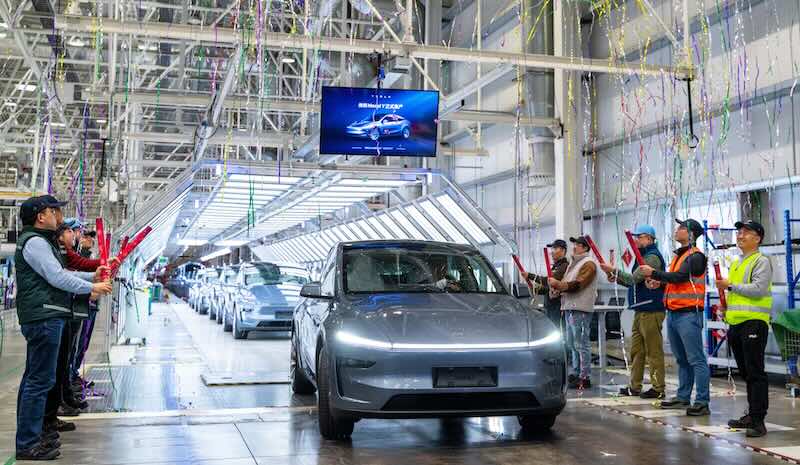
Tesla is developing support for Apple CarPlay, a move that marks a significant shift in strategy for the electric vehicle manufacturer. According to Bloomberg’s Mark Gurman, the company has begun internal testing of the feature, with discussions around a year-end release timeframe. Development represents a departure from years of resistance by CEO Elon Musk, who previously rejected the integration due to concerns about Apple’s influence and competitive positioning.
Tesla has traditionally maintained complete control over its infotainment experience. Tesla’s proprietary system offers web browsing, messaging, and streaming capabilities without requiring third-party platforms. Elon vocally criticized App Store policies and expressed frustration over Apple recruiting Tesla engineers for its own electric vehicle project, known as Titan. Concern was straightforward: allowing Apple CarPlay deeper access could hand a potential competitor valuable data about Tesla’s user base and vehicle operations.
However, market conditions have shifted dramatically. Apple discontinued the Titan project in 2024, effectively exiting the automotive sector. Simultaneously, Elon’s relationship with Apple has evolved as X and Grok AI rely on Apple’s distribution channels. Perhaps most importantly, Tesla’s sales momentum has weakened, and consumer demand for CarPlay has become impossible to ignore.
A 2024 McKinsey study revealed that approximately 30% of car buyers would reject a vehicle lacking CarPlay or Android Auto support. First launched in 2014, CarPlay integrates Messages, Music, Maps, and Siri while supporting third-party applications like Google Maps and Spotify. For many consumers, this functionality has become non-negotiable when selecting a vehicle.
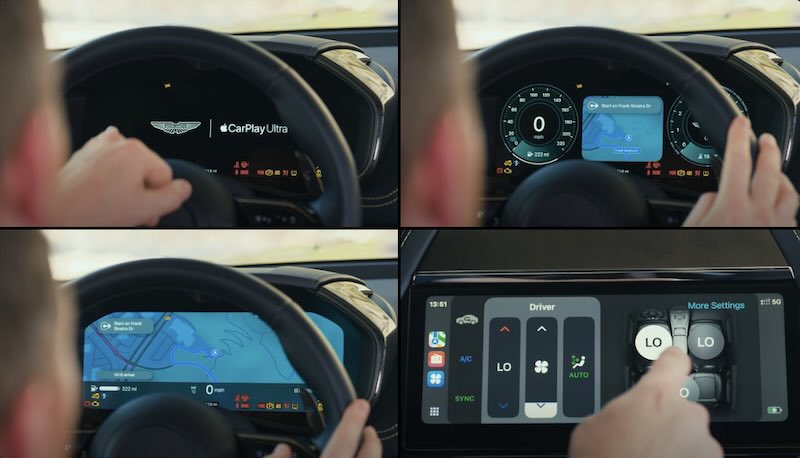
Tesla’s implementation will differ from standard CarPlay installations. System will operate within a window inside Tesla’s existing interface rather than taking over the entire screen. Tesla-specific features, including FSD capabilities, will remain exclusive to the native navigation system. Tesla plans to deploy the standard CarPlay version, not CarPlay Ultra, advanced variant that controls instrument clusters, seats, and climate systems in select Aston Martin models.
This integration represents a substantial win for Apple’s ecosystem strategy, gaining access to Tesla—America’s leading pure-electric brand, expands CarPlay’s reach significantly. iPhone users will connect wirelessly, eliminating the need for USB cables, Tesla has not announced plans to support Android Auto, Google’s competing platform.
For Tesla, adding CarPlay addresses a critical sales barrier while the company pursues ambitious revenue targets. With Elon’s compensation package valued at $1 trillion, the pressure to maximize vehicle sales has intensified. CarPlay integration may finally convince hesitant buyers to make their purchase, proving that sometimes you need to play nice with Apple to stay in the game.
Related Post
Official Tesla Apple Watch App in Action, Brings Vehicle Control to Your Wrist
Tesla 2024 Holiday Update: From Apple Watch Integration to Cybertruck Customizations
Tesla AI5 Chip Production Starts 2027: 40× Faster Performance, Elon Confirms Timeline