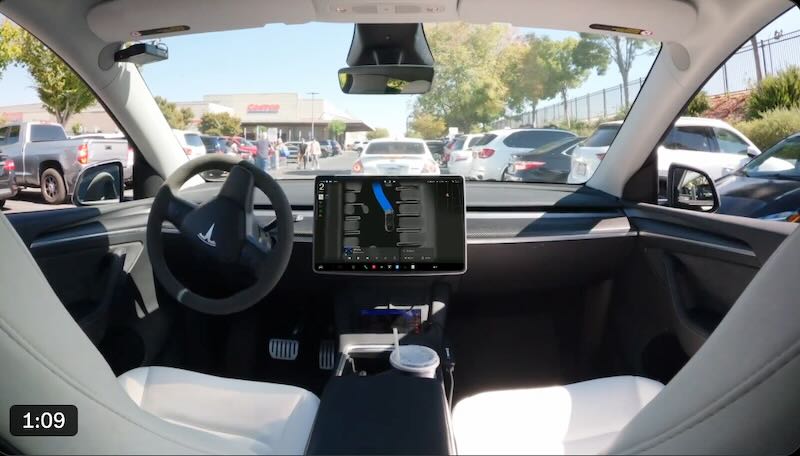
The U.S. National Highway Traffic Safety Administration (NHTSA) has officially closed its investigation into Tesla’s “Actually Smart Summon” feature, affecting nearly 2.6 million vehicles. The probe, opened in January 2025 following reports of parking-lot incidents, concluded that the feature poses no significant safety threat, at least for now.
So what exactly did regulators find, and what does this mean for Tesla’s autonomous ambitions?
The NHTSA’s findings were, by most measures, reassuring. Out of millions of Summon sessions logged since the feature’s September 2024 rollout, fewer than 1% resulted in any kind of incident. Nearly all of those involved minor property damage, think clipped gates, grazed bollards, or tapped parked cars.
Crucially, the agency confirmed zero injuries and zero fatalities tied to the feature. There were also no incidents involving pedestrians, cyclists, or other vulnerable road users. No airbag deployments. No vehicle tow-aways. For a feature that essentially lets a car drive itself to its owner in a parking lot, that’s a relatively clean safety record.
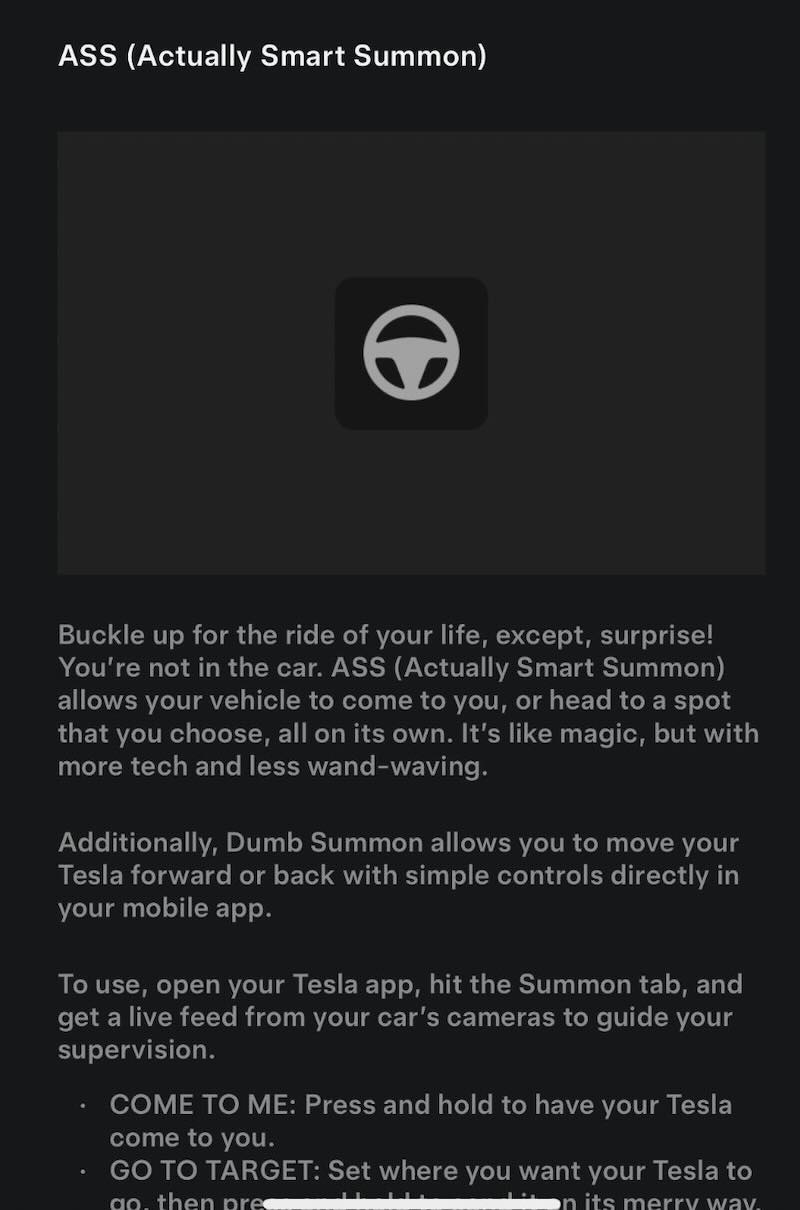
“Actually Smart Summon” is the successor to Tesla’s original smart summon feature, with one notable difference: it relies exclusively on the car’s camera suite. Earlier Tesla models used ultrasonic sensors alongside cameras, but newer vehicles dropped that hardware Tesla ASS coming to legacy Model S/X in Q4 2024, making the camera-only approach a point of scrutiny from the start.
When crash reports started surfacing shortly after launch, regulators moved quickly. The incidents shared a common thread: either the driver or the system failed to fully assess the vehicle’s surroundings, often because the smartphone app’s camera view provided limited visibility. In some cases, snow blocked the camera entirely — and the system didn’t catch it.
Tesla didn’t sit on its hands. According to the NHTSA’s report, the company pushed multiple over-the-air software updates to sharpen camera blockage detection and improve object recognition. That iterative response likely factored into the agency’s decision to close the investigation without mandating a formal recall.
That said, the NHTSA was explicit: closing the investigation is not a declaration that no safety defect exists. Regulators retain the authority to reopen the probe if new data warrants it.
Closure is a meaningful win for Tesla, but the scrutiny on camera-only autonomy systems isn’t going away. As more automakers move toward sensor-simplified designs, incidents like these will continue to shape regulatory expectations industry-wide.
For now, Tesla’s parking feature lives to summon another day — and with each software update, it’s getting just a little bit smarter about when not to move.
Related Post
Tesla Launches Actually Smart Summon in Europe: Your Car Now Drives to You
Tesla FSD v12.5.4 Boosts Actually Smart Summon (ASS): What’s New?
Tesla AI Engineer Yun-Ta Tsai Explains Why More Sensors Could Actually Hurt Autonomous Driving