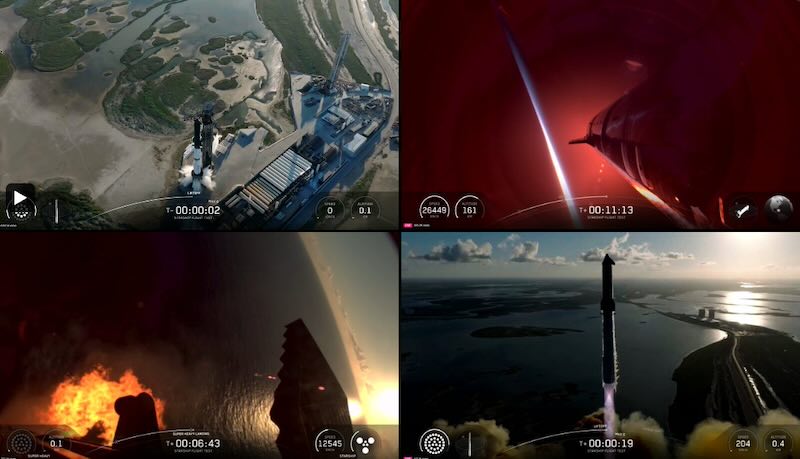
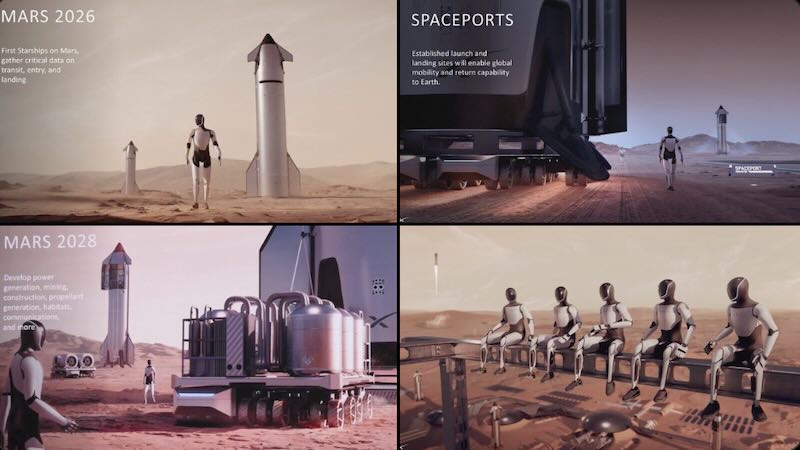
SpaceX founder Elon Musk announced on February 9, 2026, that his company is pivoting away from Mars colonization to focus on lunar development. Timing couldn’t be more strategic. While 120 million Americans watched the Super Bowl, Elon was busy rewriting humanity’s space exploration roadmap on X. Represents a fundamental shift for a company that has centered its entire identity around the Red Planet for nearly 25 years.
The decision marks one of the most significant strategic reversals in commercial spaceflight history. SpaceX’s Texas facility is called Starbase, literally branded as the Gateway to Mars. Elon’s conference room features rust-red carpeting to evoke Martian soil. Yet now, that singular focus has evaporated overnight.
Blue Origin, founded by Jeff Bezos, has accelerated its lunar program with tangible results. New Glenn rocket has completed successful launch and landing operations. More concerning for SpaceX, Blue Origin is developing lunar landing systems capable of delivering astronauts directly to the Moon’s surface without requiring in-orbit refueling. Technological approach could enable Blue Origin to land humans on the Moon before SpaceX’s Starship achieves the same milestone.
Elon acknowledged this competitive dynamic directly on X. When Bezos posted an image of a tortoise—a clear reference to the classic fable, Elon responded with uncharacteristic restraint. He conceded that Blue Origin might reach the Moon first, stating he would congratulate them. However, he reframed the competition around long-term infrastructure development rather than initial landing achievements.
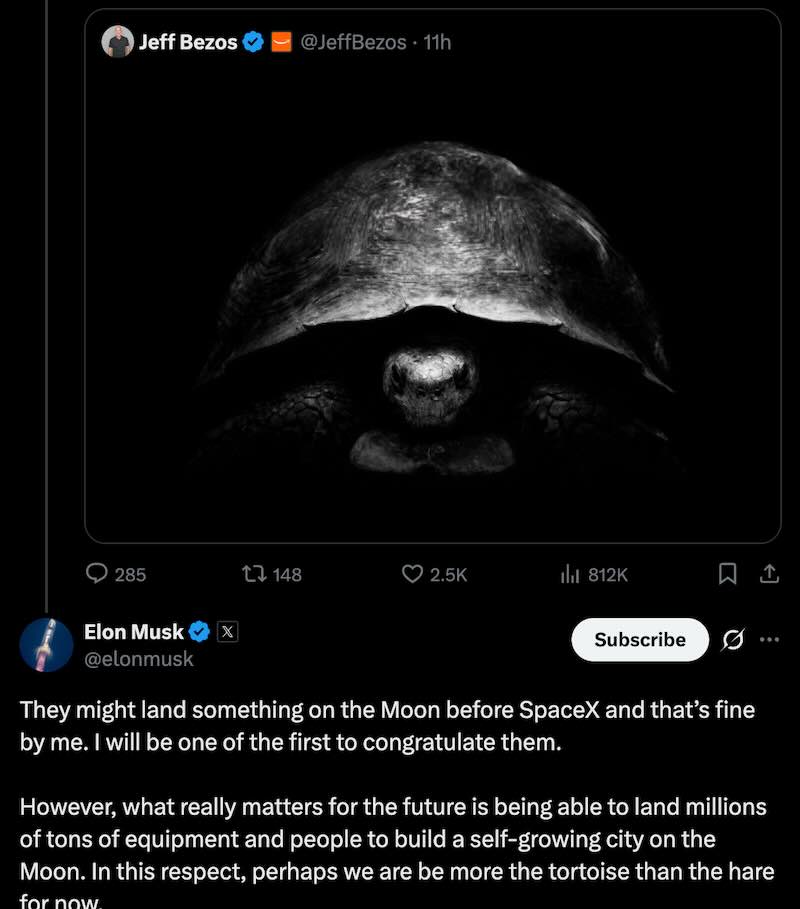
Response reveals strategic thinking. Elon emphasized that landing millions of tons of equipment and establishing a self-expanding city matters more than symbolic firsts. He even inverted the tortoise-and-hare metaphor, suggesting SpaceX might actually be the tortoise in this race. Represents a marked departure from his typically combative social media presence.
Why Elon Musk chose the Moon over Mars now
Elon outlined specific technical reasoning for the strategic shift. A self-growing lunar city could achieve operational status within a decade. Mars colonization would require at least 20 years due to the 26-month iteration cycle imposed by planetary alignment windows. Timeline difference creates a critical vulnerability.
“I’m worried that a natural or manmade catastrophe stops the resupply ships coming from Earth, causing the colony to die out,” Elon wrote. Moon’s proximity to Earth provides a safety margin that Mars cannot offer during the crucial early establishment phase.
Moon also presents material advantages that Mars lacks. Lunar regolith contains abundant oxygen and silicon. Absence of atmosphere enables electromagnetic mass driver construction—systems that can launch materials into orbit at extreme velocities without chemical propulsion. Technology would dramatically reduce the cost of building orbital infrastructure.
SpaceX recently merged with xAI, Elon’s AI company. Corporate consolidation signals an integrated vision where space exploration serves AI development, SpaceX has submitted a request to the FCC that redefines ambitious. The company wants permission to launch and operate up to one million satellites functioning as orbital data centers. Elon has discussed constructing massive orbital data centers that would require unprecedented amounts of raw materials and energy.
Launching all necessary components from Earth would prove economically unfeasible. Moon becomes a resource extraction site and manufacturing base. Materials processed on the lunar surface could be launched into orbit via electromagnetic systems, then assembled into computing infrastructure.
Elon has referenced the Kardashev scale with increasing frequency. This classification system, proposed by Soviet astronomer Nikolai Kardashev in the 1960s, categorizes civilizations by energy utilization capacity. Type I civilizations harness all planetary energy. Type II civilizations capture stellar output through structures like Dyson spheres. Elon’s recent comments suggest he views these concepts as engineering challenges rather than theoretical exercises.
The irony shouldn’t be overlooked. Bezos has advocated for moving heavy industry into space, building orbital habitats, and preserving Earth for generations. Elon previously dismissed these ideas while maintaining his Mars-centric vision. Now, SpaceX’s strategy increasingly resembles Blue Origin’s philosophical framework.
Convergence might indicate that economics and physics impose certain strategic pathways regardless of initial preferences. Moon’s proximity, resources, and lack of atmosphere create specific advantages for building space-based industrial capacity. Both billionaires appear to have arrived at similar conclusions through different routes.
Just a year ago, Elon characterized lunar development as a distraction from Mars colonization. Today, he’s betting SpaceX’s future on it. Shift demonstrates how competitive pressure and technical realities can override even the most deeply held strategic commitments. Whether SpaceX or Blue Origin reaches Elon Musk’s lunar goals first, the race itself has fundamentally altered the trajectory of commercial spaceflight.
Related Post
Blue Origin TeraWave: 6 Tbps Satellite Network Targets Enterprise Market, 2027 Launch
SpaceX and xAI Bet AI Compute Will Move to Orbit Within Three Years
Elon Musk Officially Confirmed SpaceX 2026 IPO to Fund Orbital Data Centers