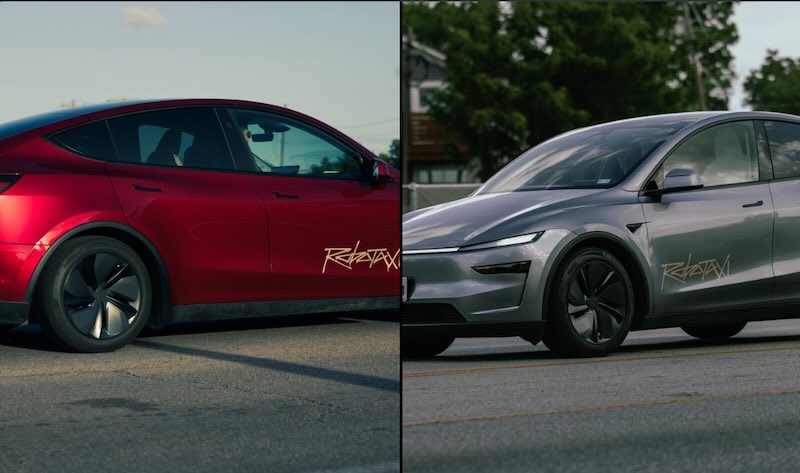
Tesla has officially received approval from the Arizona Department of Transportation to launch its Robotaxi service on public roads in the state. Transportation network company (TNC) permit, granted on November 17th, follows Tesla’s application just four days earlier on November 13th. Regulatory greenlight enables the EV maker to legally operate a paid, autonomous ride-hailing service throughout Arizona.
Permit represents a significant milestone in Tesla’s autonomous vehicle strategy, allowing operation of vehicles using automated driving systems with human safety monitors present. Unlike some regional restrictions, the Arizona TNC permit isn’t limited to a specific city, though Tesla has indicated to state officials that it plans to focus initial operations in the Phoenix area.
This approval marks the third market for Tesla’s nascent robotaxi business, following its existing operations in Austin and the San Francisco Bay area. In Austin, the company operates a fully driverless service, while the Bay Area offers a rideshare service not classified as fully autonomous.
Elon previously outlined ambitious plans to expand Tesla’s robotaxi footprint to three key states by year-end: Arizona, Nevada, and Florida. With the Arizona approval now secured, investors are closely monitoring whether Tesla can meet its remaining 2025 expansion targets in the next 6 weeks.
Pace of Tesla’s robotaxi rollout carries significant weight among investors as the company pivots toward autonomy, robotics, and artificial intelligence. Strategic shift comes as Tesla looks beyond its traditional electric vehicle business for new growth avenues.
Arizona joins a short list of states permitting commercial autonomous vehicle services, positioning itself as a technology-forward jurisdiction. The state previously served as a testing ground for Tesla’s autonomous vehicles, but this new permit elevates operations to commercial status.
Related Post
Tesla Robotaxi App Launches Nationwide on iOS: You Can Join Waitlist for Autonomous Rides
Tesla Robotaxis to Transform Urban Transport Through Manufacturing Scale